

Home Improvement and Hardwood Interior Doors, the Perfect Match
When you plan a home improvement project, you usually think about kitchens, bathrooms and perhaps new flooring – but interior doors are one of the most powerful and often overlooked ways to transform your space. Hardwood interior doors in particular are a perfect partner for almost any home renovation. They offer a rare combination of practicality, style and long-term value that cheaper alternatives simply can’t match. Whether you are refreshing a single room or undertaking a full house renovation, upgrading to solid wood doors is a straightforward change that can dramatically improve how your home looks, feels and functions.
Hardwood interior doors instantly lift the perceived quality of a property. They provide substance, weight and a sense of craftsmanship that hollow doors and lightweight options never achieve. Because doors are seen and touched every day, they subtly influence how your entire home is experienced. From improving sound insulation and energy efficiency to tying together your interior design scheme, hardwood interior doors make home improvement projects feel more complete, more considered and more high-end – all without the disruption of major building works.
The Benefits of Hardwood Interior Doors in Modern Home Improvement
Modern home improvement is about more than quick makeovers; it’s about creating spaces that are comfortable, durable and future-proof. Hardwood interior doors contribute to all of these goals. The durability of solid wood doors is one of their biggest advantages. Properly fitted and cared for, they can last for decades, resisting the knocks, scuffs and daily wear that quickly age cheaper, hollow-core doors. This makes them an ideal choice if you want to “do it once and do it properly”.
Hardwood doors also offer superior sound insulation, which is increasingly important in busy family homes and properties with open-plan layouts. A solid core helps reduce noise transfer between rooms, giving bedrooms, home offices and snug living spaces greater privacy and a calmer atmosphere. Their density can also contribute to energy efficiency, helping to keep warm air where it is needed and reducing draughts when combined with good seals.
From a design point of view, hardwood doors deliver a timeless look that sits comfortably in both traditional and contemporary interiors. They add a premium finish that elevates everything around them, from skirting boards to wall colours. If sustainability matters to you, responsibly sourced hardwood and engineered wood doors are a more environmentally conscious choice than throwaway, short-life products, especially when paired with low-VOC finishes. In short, hardwood interior doors are a value-adding home improvement that blends practicality, longevity and classic style.
Types of Hardwood Interior Doors: Finding the Right Style for Your Home
One of the main strengths of hardwood interior doors is the sheer range of styles and timber species available, making it easy to find an option that suits your home. Oak interior doors remain a firm favourite in the UK thanks to their attractive grain, strength and versatility. They work beautifully in everything from period properties to new builds. Walnut interior doors offer a richer, darker, more luxurious look, ideal for sophisticated, design-led interiors. Ash and maple doors provide a paler, cleaner appearance that suits Scandinavian or minimalist schemes.
In terms of design, you can choose from classic panelled doors, which add depth and character, or sleek contemporary flush doors for a more understated, modern look. Cottage-style doors with vertical boards and ledged designs are perfect for country homes and rustic interiors, while glazed interior doors are an excellent option for hallways, kitchens and living spaces where you want to borrow light between rooms and brighten darker areas.
If you have a period property or a very specific vision, bespoke hardwood doors allow you to match existing details, unusual opening sizes or particular panel configurations. Whether you lean towards traditional interior doors with mouldings and raised panels, or streamlined contemporary designs, there will be a hardwood door style that feels right for your home and complements your wider renovation plans.
Design Trends: Using Hardwood Interior Doors to Elevate Your Interior Style
Interior door design trends in the UK have evolved, but hardwood remains a central feature in many stylish homes. Minimalist doors with simple lines, flat panels and discreet ironmongery are popular in modern interiors, creating a calm, uncluttered backdrop. Shaker-style doors, with their clean framed panels, bridge the gap between traditional and contemporary, making them a safe and enduring choice if you want a “modern classic” look.
One striking trend is pairing natural timber doors with bold black hardware – hinges, handles and locks – to create a crisp, graphic contrast that works especially well with light walls and neutral schemes. Matching doors and skirting boards, either in the same timber tone or in a coordinated paint colour, helps to unify spaces and give your home a tailored, considered finish. Likewise, coordinating doors with your flooring, whether that’s engineered wood, laminate or luxury vinyl, creates a sense of flow from room to room.
Statement doors are also gaining popularity. This might mean choosing a darker stain, a distinctive veneer pattern or a more dramatic glazed design for key locations such as the entrance to a living room or kitchen. By treating interior doors as part of your interior design rather than an afterthought, you can significantly elevate the overall feel of your home and tie your décor together in a subtle but highly effective way.
Home Improvement Planning: Where Hardwood Interior Doors Fit into Your Renovation Strategy
When planning a renovation, it’s helpful to decide early on where interior doors sit in your list of priorities. Upgrading interior doors early in the process can make decorating decisions easier, as you can then match paint colours, flooring and ironmongery to the door style and finish you’ve chosen. In some cases, a whole-house door replacement can be one of the most impactful yet straightforward upgrades you make, providing an immediate sense of cohesion.
If your budget is more limited, you can phase door upgrades, starting with the most visible or heavily used areas such as hallways, living spaces and bathrooms, then moving on to bedrooms and secondary rooms later. Since fitting new doors usually doesn’t require planning permission for internal changes, it’s a flexible improvement that can slot into a wider renovation strategy without excessive red tape.
For homeowners considering selling, upgrading interior doors is a clever value-adding move. Fresh, good-quality hardwood doors give a strong first impression during viewings, help with home staging and can make an older property look more up to date and well cared for. They are a relatively modest investment that can boost perceived value and make your home stand out in a competitive market.
Choosing the Right Finish, Colour and Hardware for Hardwood Interior Doors
The finish, colour and hardware you choose can completely change the character of a hardwood interior door. Pre-finished doors come sealed, stained or lacquered from the factory, saving time on site and offering a consistent, durable coating. Unfinished doors provide more flexibility, allowing you or your decorator to apply a stain, paint or natural oil finish to suit your exact colour scheme.
Stained wood doors highlight the natural grain and warmth of the timber, ranging from pale, natural tones through to deep, rich shades. Painted hardwood doors give you almost endless colour options, from soft off-whites and muted greys to bold heritage hues. Natural oil finishes enhance the texture and feel of the wood, offering a more matt, organic look that many homeowners favour.
Hardware is the finishing touch that can either quietly complement or confidently contrast with your doors. Door handles and hinges in brass create a warm, classic or even slightly vintage feel, while chrome and stainless steel suggest a more modern, streamlined aesthetic. Concealed hinges and minimalist handles lend themselves to contemporary interiors, and soft-close mechanisms can add a subtle sense of quality and comfort. Matching ironmongery across all doors – and ideally coordinating with other fittings such as light switches or sockets – helps achieve a cohesive, design-led look.
Practical Considerations: Size, Fire Regulations and Acoustic Performance
Beyond appearance, there are important practical points to consider. Standard UK door sizes will suit many properties, but older homes and bespoke builds often require made-to-measure doors. Bespoke door sizing ensures a neat fit, which improves both the look and the performance of the door, particularly in terms of draughts and sound transmission.
Safety is paramount. In certain locations, especially in multi-storey houses or properties with loft conversions, FD30 fire doors (tested to resist fire for 30 minutes) may be required under building regulations. Fire-safe internal doors, complete with appropriate frames, seals and ironmongery, help protect escape routes and provide valuable peace of mind. Your installer or supplier can advise on what is needed for your specific layout.
Acoustic performance is another key consideration, especially for bedrooms, bathrooms and home offices. Solid hardwood or engineered cores, combined with good seals, can significantly reduce noise transfer between rooms. In some cases, specialist acoustic doors may be appropriate where maximum soundproofing is needed, for example in media rooms or properties with thin internal walls. Thinking about privacy and noise control at the planning stage ensures your new doors deliver day-to-day comfort as well as visual appeal.
DIY vs Professional Installation: What’s Best for Your Home Improvement Project?
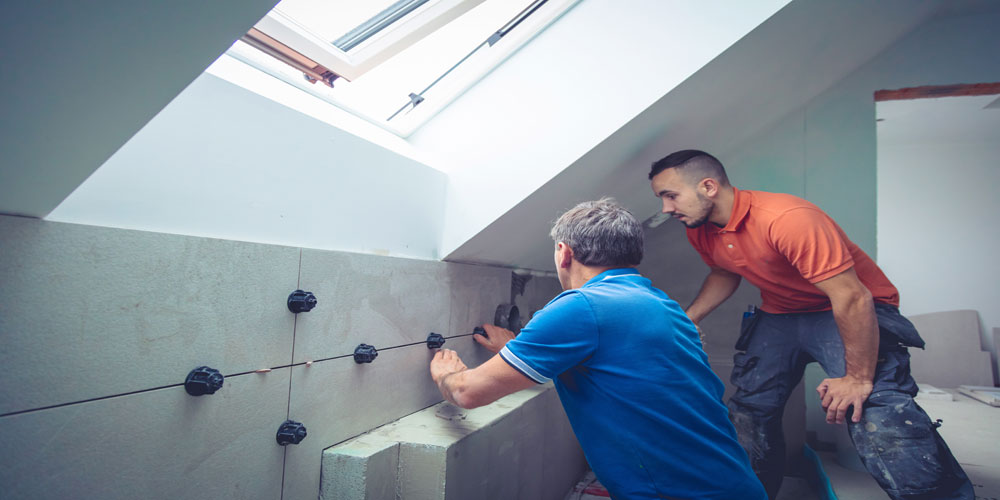
Once you’ve chosen your doors, you’ll need to decide how they will be fitted. Skilled DIY enthusiasts can fit hardwood interior doors themselves, but door hanging is a precise job. It involves trimming to size without damaging the finish, preparing or adjusting the door frame, fitting hinges accurately, and ensuring the door closes smoothly without rubbing or gaps. Common fitting mistakes, such as misaligned latches, binding edges or poorly positioned hinges, can spoil the look and performance of even the best-quality door.
For many homeowners, using professional door hanging services is the most efficient option. A joiner or carpenter with door-fitting experience can complete each door quickly and accurately, ensuring compliance with fire and building regulations where required. While there is an additional cost compared with DIY, professional fitting often saves time, stress and the potential expense of correcting errors. As a general rule, if you are investing in premium doors, it makes sense to invest in proper installation too.
Budgeting and Cost: How to Maximise Value from Hardwood Interior Doors
The cost of hardwood interior doors in the UK varies depending on timber species, design and construction. Solid wood doors sit at the higher end of the market, while engineered wood doors with a hardwood veneer offer a more budget-friendly alternative with much of the same visual appeal. When budgeting, remember to factor in not only the door price but also ironmongery, any new frames or linings, and the cost per door for professional installation if you’re not fitting them yourself.
Although hardwood doors represent a higher upfront cost than cheap hollow doors, they offer excellent long-term value. They are more robust, look better for longer and can positively influence your home’s resale value. To make your budget go further, consider saving money on bulk orders by replacing several doors at once, or choosing good-quality mid-range options rather than the absolute premium designs. This approach allows you to enjoy the benefits of hardwood doors throughout your home while keeping overall project costs under control.
Care, Maintenance and Longevity of Hardwood Interior Doors
One of the attractions of hardwood interior doors is their longevity, but like any quality product they do benefit from some basic care. Regularly cleaning hardwood doors with a soft cloth and a gentle, non-abrasive cleaner will keep them looking fresh. Avoid harsh chemicals that can damage finishes. Over time, natural oil or lacquered finishes may benefit from re-oiling or refinishing to restore their original lustre, especially in high-traffic areas.
Protecting doors from excess moisture is important, particularly in bathrooms or utility rooms. Good ventilation helps prevent swelling or sticking, and any minor issues can often be resolved by careful adjustment rather than drastic trimming. Light scratches or dents can usually be repaired with touch-up products or light sanding and refinishing, depending on the finish type.
Many manufacturers provide warranties and aftercare guidance, which are worth following to maximise the lifespan of your doors. With simple seasonal checks – ensuring hinges are tight, handles operate smoothly and finishes are intact – hardwood interior doors can remain an attractive and reliable part of your home for many years.
Before and After: Real-Life Home Improvements with Hardwood Interior Doors
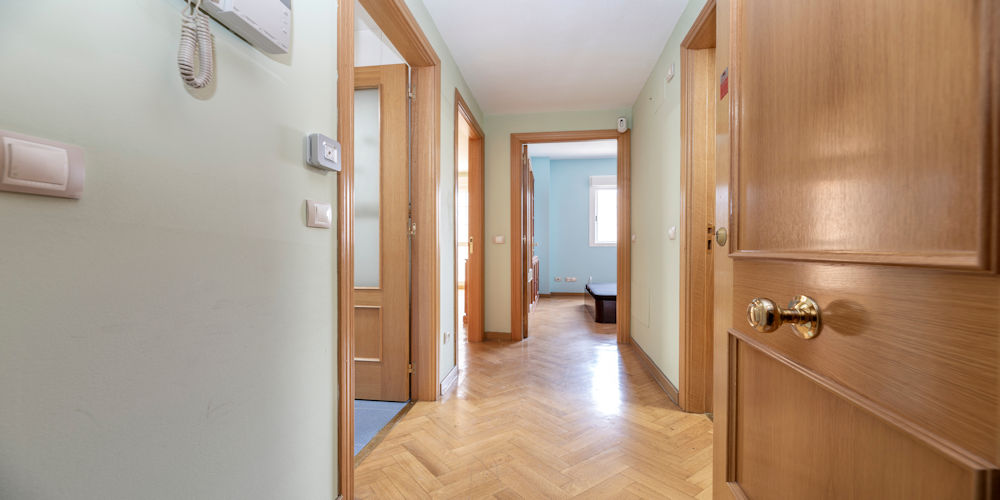
Replacing tired, dated interior doors can create a striking “before and after” transformation. Old, hollow, yellowing or mismatched doors often make a home feel neglected, even after other upgrades. Swapping them for coordinated hardwood doors immediately introduces a sense of order and quality. In darker hallways, glazed doors leading to living rooms or kitchens can flood the space with borrowed light, making it feel larger and more inviting.
In open-plan homes, well-chosen doors give you the flexibility to separate spaces when needed – for warmth, noise control or privacy – while still supporting an airy, flowing feel when left open. In rental properties, upgrading interior doors is a hardwearing improvement that appeals to tenants and can justify higher rents, all while being relatively quick to install between tenancies.
Even new builds can benefit; characterful hardwood doors can offset the sometimes-plain finishes of modern developments, adding warmth, texture and personality. Case studies repeatedly show that this seemingly simple upgrade can transform how a property is perceived, both by its occupants and by visitors or prospective buyers.
Eco-Friendly Choices: Sustainable Hardwood Interior Doors for Conscious Homeowners
For environmentally conscious homeowners, hardwood interior doors can be a responsible choice when sourced correctly. Look for FSC-certified wood doors, which guarantee the timber comes from forests managed to strict environmental and social standards. Sustainable forestry practices ensure that for every tree harvested, new trees are planted and ecosystems are protected.
Choosing low-VOC (volatile organic compound) finishes reduces the release of harmful emissions inside your home, contributing to better indoor air quality. From an eco-friendly home improvement perspective, investing in long-life products is far better than repeatedly replacing low-quality, disposable doors. Energy-efficient interiors are not just about insulation and glazing; solid, well-fitted doors help manage heat and reduce the need for constant heating or cooling between rooms.
By combining sustainable materials, durable construction and responsible finishes, hardwood interior doors can form part of a broader green home upgrade strategy, aligning your interior design choices with your environmental values.
Where to Buy Hardwood Interior Doors in the UK (and What to Look For)
Here in the UK, you have several options when buying interior doors. Independent door suppliers often provide a wide range of hardwood and engineered options, with knowledgeable staff who can advise on styles, regulations and installation. Builders’ merchants can be a good source for standard sizes and popular styles, especially if you’re coordinating with other building materials.
Online door shops offer convenience and extensive choice, allowing you to compare finishes, prices and specifications from home. However, visiting a showroom, where possible, lets you see and feel the doors in person, assess the quality of the timber and finishes, and check how the hardware looks and operates.
When choosing a supplier, check product quality carefully: look at construction details, veneers, weight and warranty terms. Pay attention to lead times and delivery arrangements, especially if your renovation schedule is tight. Reading reviews and seeking recommendations from installers can help you avoid poor-quality products. Guarantees and clear aftercare support are further signs that you’re buying from a reputable source.
Upgrade Your Home Improvement Plans with Hardwood Interior Doors That Add Real Value
Choosing hardwood interior doors is a smart way to enhance both the style and the value of your home. They offer a rare mix of aesthetic appeal, everyday practicality and long-term durability, turning an often-overlooked element into a standout feature. As a relatively simple upgrade with a big impact, new doors can refresh tired interiors, improve comfort and help future-proof your property.
If you are planning a renovation, consider where new doors could have the greatest effect – perhaps starting with hallways and main living areas, then working room by room. The next steps might include shortlisting door styles, arranging to see samples, and booking a survey or quote from a trusted supplier or installer. With the right choices and proper fitting, hardwood interior doors can transform the way your home looks and feels, providing a daily reminder that investing in quality was the right decision.