
Why Regular Plumbing Maintenance is the Smart Way to Save Money
If you want to keep more money in your pocket and avoid nasty surprises, regular plumbing maintenance is one of the smartest and most cost-effective decisions you can make as a UK homeowner. Rather than waiting for something to go wrong and paying over the odds for emergency call-outs, you can spot issues early, fix them cheaply and keep your home running smoothly. From reducing household bills to preventing major leaks and extending the life of your boiler and appliances, a small investment in routine plumbing care can add up to substantial long-term savings.
Understanding Your Home’s Plumbing System: A Quick Overview
Your domestic plumbing system is a network of pipes, fixtures and appliances that quietly work in the background every day. It brings clean water into your home, distributes it to your taps, toilets, showers, radiators and appliances, and then removes wastewater safely. In UK homes, this often includes a combination of mains supply, cold water storage tanks, hot water cylinders or combi boilers, and an underground system of drains and sewers.
Common plumbing issues such as dripping taps, slow-running drains, noisy pipes or toilets that keep running might seem minor, but they are often early warning signs of bigger problems. Understanding the basics – where your stopcock is, how to read your water meter, how your boiler and hot water system work, and where key pipes and joints are located – puts you in a stronger position to spot trouble early and avoid expensive damage.
The High Cost of Neglect: What Happens When You Skip Plumbing Maintenance
Ignoring your plumbing is a bit like never servicing your car: it may seem cheaper in the short term, but it can cost you dearly later. When you skip regular maintenance, small issues can quietly develop into major failures. A tiny leak in a pipe hidden behind a wall can lead to damp, mould, rotten floorboards and serious structural damage, all of which are costly to repair and incredibly disruptive.
Burst pipes, particularly in winter, can cost hundreds or even thousands of pounds once you factor in emergency plumber fees, replacement materials, redecorating and possible accommodation costs if your home becomes temporarily uninhabitable. Water damage repair costs can escalate quickly, and while insurance may cover some of it, you’ll still face excess payments, possible increases in premiums and the stress of making claims for leaks and flooding. Many of these disasters are completely avoidable with basic, low-cost plumbing maintenance.
Spotting Problems Early: How Inspections Prevent Costly Repairs
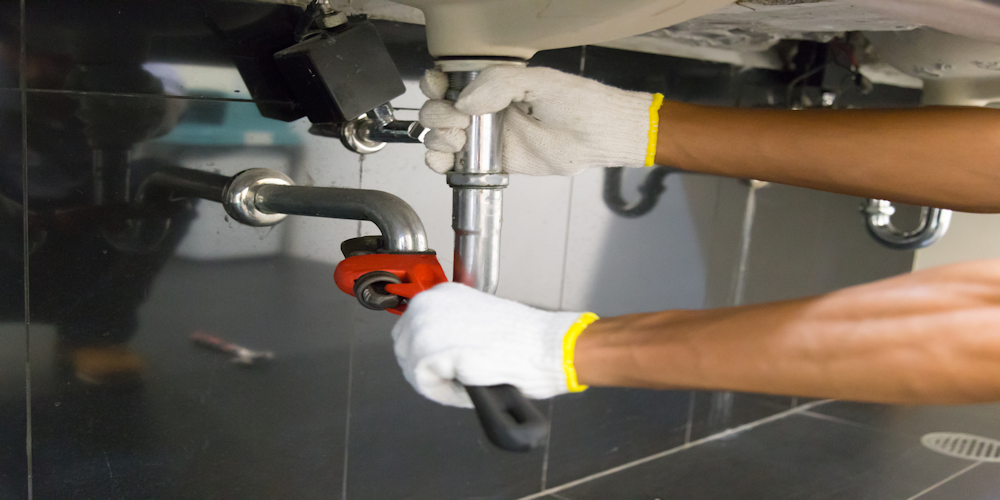
Routine plumbing inspections are one of the best ways to catch problems while they are still small, simple and inexpensive to fix. A basic check can identify early signs of leaks, corrosion or loose joints before they turn into major issues. For example, a plumber can examine accessible pipes, joints, valves and fittings, check water pressure, and test taps, toilets and appliances to make sure everything is working as it should.
By identifying small leaks, hairline cracks or worn seals early on, you avoid the risk of pipes bursting or fittings failing completely. Early leak detection also helps prevent hidden water damage in walls, floors and ceilings. Regular plumbing checks mean you are dealing with small, manageable repairs rather than large-scale emergencies that disrupt your home and your budget.
Stopping Leaks to Cut Your Water Bills
A dripping tap might not look like a big problem, but over a year it can waste thousands of litres of water and add a surprising amount to your water meter bills. In many UK homes, especially those on a water meter, fixing leaky taps, constantly running toilets or dripping shower heads is a simple way to reduce water usage and lower utility bills.
By repairing or replacing worn washers, cartridges and seals, you can stop unnecessary water loss and make your home more efficient. This is not just good for your wallet; it also supports water conservation across the UK, where certain regions already experience water stress. Over time, eliminating these small but constant leaks can make a noticeable difference to your monthly outgoings.
Maintaining Boilers and Hot Water Systems to Save on Energy Costs
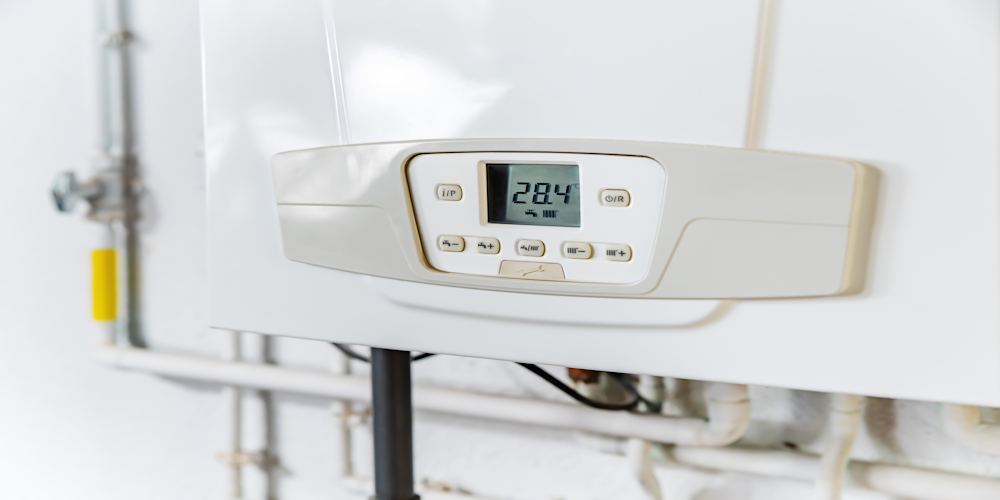
Your boiler and hot water system are at the heart of your home’s comfort – and they are also among the biggest contributors to your energy bills. Regular boiler servicing in the UK is essential not just for safety, but also for efficiency. An annual service by a Gas Safe registered engineer ensures your boiler is running properly, burning fuel efficiently and not wasting gas.
Hot water system maintenance, including checking your water cylinder, valves, pumps and controls, can improve central heating efficiency and reduce gas bills. Simple measures such as bleeding radiators, checking pressure, insulating hot water pipes and ensuring your thermostat and timers are correctly set can all lead to noticeable savings. A well-maintained, energy-efficient plumbing and heating system needs less fuel to keep your home warm and supplied with hot water.
Drain and Sewer Maintenance: Avoiding Blockages, Backups and Call-Out Charges
Blocked drains and sewers are not only unpleasant and smelly; they can also be expensive to clear, especially if you need an emergency plumber. Regular drain maintenance, such as avoiding pouring fats and oils down the sink, using strainers to catch food and hair, and occasionally flushing through with appropriate cleaning products, helps prevent build-ups and blockages.
Professional drain cleaning and sewer line maintenance, including techniques like drain jetting, can remove stubborn deposits, tree roots and fatbergs before they cause serious problems. By keeping your drainage system clear, you reduce the likelihood of backups, foul smells, overflowing toilets and out-of-hours call-out charges. Prevention is far cheaper and far less stressful than dealing with a full-blown drainage emergency.
Limescale and Hard Water: Why Treatment Now Saves Repairs Later
Much of the UK has hard water, which means it contains higher levels of minerals such as calcium and magnesium. Over time, these minerals form limescale deposits inside pipes, taps, shower heads, kettles, boilers and hot water cylinders. Limescale build-up can restrict water flow, reduce heating efficiency, damage components and ultimately shorten the life of your plumbing and appliances.
Investing in hard water treatment or water softeners can protect your pipes and appliances, helping them run more efficiently and last longer. Regular descaling of kettles, shower heads and boiler components also reduces energy consumption, as limescale forces your system to work harder to heat water. By dealing with hard water and limescale early, you avoid costly repairs and premature replacement of expensive items such as boilers and washing machines.
Protecting Your Home from Leaks and Flooding: Long-Term Savings on Damage and Insurance
Preventing leaks and flooding should be a key part of any long-term home maintenance plan. Simple measures such as knowing where your stopcock is, ensuring it works properly, and insulating pipes in lofts, garages and external walls can protect your home from burst pipes, particularly during cold UK winters when frozen pipes are a major risk.
Modern leak protection devices and smart leak detectors can provide early warnings if water is detected where it shouldn’t be, giving you time to act before serious damage occurs. By taking steps to prevent water damage, you reduce the risk of costly repairs, disruption and home insurance claims. Over time, a good record of careful maintenance and fewer claims can help protect your insurance position and, in some cases, keep premiums more manageable.
Extending the Life of Your Plumbing Fixtures and Appliances
Your taps, toilets, showers and plumbed-in appliances all have a limited lifespan, but with regular care and attention, you can extend that lifespan significantly. Simple tap maintenance, such as replacing washers, cartridges and aerators, can keep them working smoothly and prevent drips. Toilets that are regularly checked for leaks around the base and in the cistern are less likely to develop serious faults.
Shower heads benefit from regular descaling, improving performance and prolonging their life. Washing machine hoses and dishwasher pipes should be inspected periodically for bulges, cracks or leaks, and replaced before they fail. By looking after your fixtures and appliances, you delay the point at which costly replacements are needed, and you can make more informed choices about when repair is cost-effective and when replacement is the smarter option.
Planned Maintenance vs Emergency Repairs: Comparing the Real Costs
Planned plumbing maintenance involves scheduling regular checks, services and small repairs before problems become urgent. Emergency repairs, on the other hand, usually happen at the worst possible time and often come with higher hourly rates, call-out fees and additional costs. When you compare the two over the long term, planned maintenance almost always works out cheaper and far less disruptive.
An affordable annual plumbing service or maintenance plan allows you to spread the cost and budget for home care more easily. Instead of being hit with large, unexpected bills when something goes wrong, you pay smaller, predictable amounts to keep everything in good working order. This approach not only saves money but also gives you peace of mind, knowing your plumbing system is being looked after.
DIY Checks vs Professional Plumbing Maintenance: Finding the Right Balance
There are many simple DIY plumbing checks that homeowners can carry out themselves. These include looking for visible leaks, listening for unusual noises in pipes, checking for damp patches or mould, and testing stopcocks and isolation valves. Keeping an eye on water pressure, watching how quickly sinks and baths drain, and regularly inspecting accessible pipes can all help spot problems early.
However, it is important to know when to call a professional plumber. Gas appliances, boilers and any work on gas pipes must always be handled by a Gas Safe engineer. More complex issues, such as persistent leaks, recurring blockages, major boiler faults or signs of structural water damage, are best dealt with by qualified professionals. Landlords in the UK also have specific plumbing and gas safety responsibilities, including obtaining regular Gas Safety Certificates and, where relevant, ensuring that any RICS survey findings are properly addressed.
How Often Should You Service Your Plumbing? A Simple UK Homeowner Schedule
As a general guide for UK homeowners, an annual boiler service is essential for safety, efficiency and to maintain many manufacturers’ warranties. A yearly plumbing inspection that includes checking visible pipework, fixtures, seals and drainage can help catch issues early. Many people find it helpful to build a seasonal plumbing checklist into their home maintenance calendar.
For example, in autumn, you might focus on winter pipe protection, insulating vulnerable pipes and checking your heating before the cold sets in. In spring, you could look for any damage from freezing weather, inspect outdoor taps and review your water usage. Landlords must also carry out a yearly gas safety check and keep records, ensuring all appliances and flues are safe and compliant.
Choosing a Reliable Local Plumber to Protect Your Investment
Finding a trustworthy, skilled local plumber is a key part of protecting your home and your finances. In the UK, you should always ensure any engineer working on gas appliances is Gas Safe registered. For general plumbing work, looking for a Checkatrade plumber or using other reputable trade directories can help you find vetted, reviewed professionals.
Customer reviews, recommendations from friends and family, and evidence of qualifications and insurance are all important when choosing someone to look after your plumbing. Many reputable firms offer plumbing maintenance contracts, which can provide regular checks, priority call-outs and predictable pricing. Working with a reliable local plumber means you have expert support on hand when you need it and someone who understands your home’s system over the long term.
Start Regular Plumbing Maintenance Now and Keep More Money in Your Pocket
Proactive plumbing maintenance is one of the most effective ways to save money, reduce repair bills and protect your property. By dealing with minor issues before they escalate, improving efficiency and extending the life of your fixtures, boilers and appliances, you avoid many of the costly shocks that come with neglect.
Rather than waiting for a burst pipe, failed boiler or blocked drain to force your hand, take control now. Create a simple maintenance plan, carry out basic DIY checks and book a professional plumbing check-up. The sooner you start regular plumbing maintenance, the sooner you will see the financial benefits – in lower bills, fewer emergencies and long-term savings that make a real difference to your household budget.