
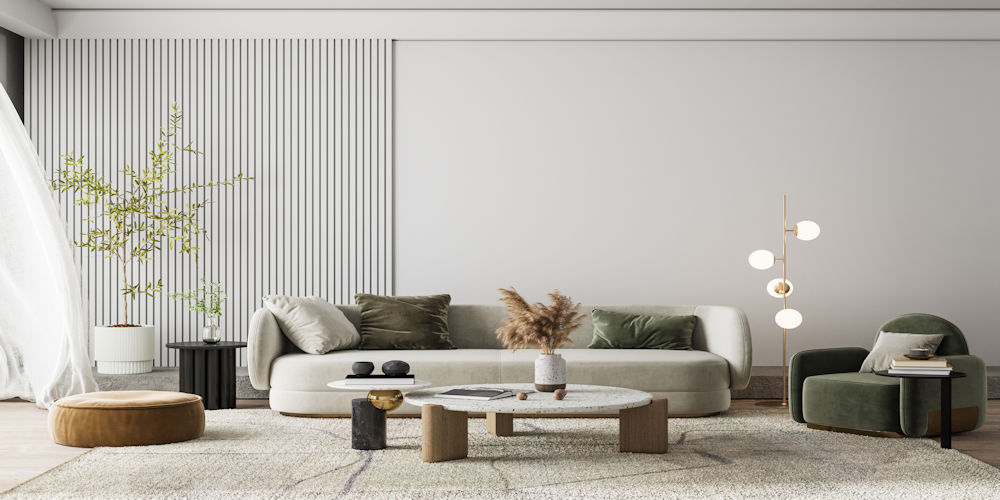
Basic Concepts of Interior Design
Interior design is not just about making an interior space look good. This area of interior design brings together how a place works, how it feels, and gives comfort through a clear design vision. In design projects for homes, creative workplaces, or places where people stay, everything starts with listening. Sibylle Clerey Interiors begins each project by focusing on people. The team looks at how you live or work and what your space really needs. This helps make every step after that feel right and useful for you.
Interior design helps shape indoor spaces so they feel right and work well. It is about how things are set up, what furniture is used, the lights, what things are made of, and the way people move around in a room. It brings together good planning and a design vision.
Today, the area of interior design changes along with how people live and work. Because of this, homes, small venues, and all work environments need good planning. People often talk about things like interior architecture, formal education, a bachelor’s degree, and an interior design qualification. But the main job is to make spaces feel useful and feel like they belong to someone.
Defining Interior Design
Interior design is all about how you plan and shape indoor spaces. It should help you with your day-to-day life. It is not only about putting pretty things in a room. Interior design starts with knowing how you live, work, move, and feel when you are in that space.
A good design vision helps people make every choice. This vision is based on what you ask for. It also thinks about the feel of the building and what the people who will use it need every day. That is why things like layout, how you move around, what the space feels like, comfort, and how things work all come together in interior design.
In many projects, interior design mixes with interior architecture. The work looks at the size of spaces, ways people move in them, and how a room actually works. It’s not just about the look on paper. A good job makes spaces feel right, helpful to people, and built to last.
The Role of Interior Designers
An interior designer will help you take your ideas and make a clear plan. They listen to you first. Then, they find a way to help you that fits your life or your business. This early advice can stop confusion later.
Interior design work is more than just coming up with ideas. There are many things that need to happen. A designer often works with a design team. There are also trusted partners, suppliers, and trades involved. This helps to keep everything neat and on track. Every part works together and supports the interior design plan.
Technical skills are important too. An interior designer needs to prepare drawings, briefing packs, and other details. This helps makers and workers to give quotes and build in the right way. Because of this, an interior designer is both creative and practical. They guide the space from the first idea to the finished result.
Core Responsibilities and Tasks
The main role in interior design starts with knowing what the client’s needs are. Then, the designer makes a plan that helps with how the space works, how people move in it, and how it feels. Good design projects are based on real life, not just what you see on boards.
As the work goes on, project management is very important. Good coordination keeps things on track and lowers stress. Regular site visits help answer questions during the build. These visits also help keep the original design going the right way.
Typical tasks often include:
- listening with care to the client’s needs
- planning layouts and how people will move in the space
- choosing furniture, lights, materials, and finishes
- handling suppliers, workers, and deliveries
- checking progress by site visits and doing the final styling
The Essential Concepts of Interior Design
Good interior design depends on a few key things. A strong design vision gives a room the right feel and helps show where the project needs to go. With good spatial planning, the layout looks and feels simple and smooth. Without this structure, even nice rooms can feel strange or out of place.
The power of design comes from how everything fits together. Design elements like colour, texture, scale, and light need to feel balanced with each other. A design team often helps to bring these ideas together into one clear plan. The next sections will explain these main ideas in a simple way.
Key Principles in Interior Design
Strong interiors start with simple ideas. The first is function. A room has to help you live or work in the best way. The second is clarity. Every choice in the room must fit the main plan for the space.
Then comes balance. The design elements should work well as a group. They cannot be against each other. A calm color palette helps to do this. Good spatial planning is also important. If you pay attention to the right proportion, it can make the room feel settled. Sometimes, a structural engineer gives practical input. That helps show what can be done too.
Key principles often include:
- The room should work well for its main use before you start to decorate.
- Make sure there is clear movement through the space. Good spatial planning is important.
- Pick colors that look good together and stick to one color palette.
- Try to balance the size of things, the feel of surfaces, and the amount of light in the space.
- Pick what goes in the room with care. Choose things that fit with the building and what you want for the space.
When these ideas are followed, the space looks good and works well. It feels whole and ready to be used.
Elements That Shape a Space
Every interior space comes from many choices put together. Some choices stand out, like what furniture you use and how you put up lighting. Other choices are quiet things, like how people move around in the room, how much space you leave, and how the walls and floors go together. All these things work to change how a room feels.
Space planning is usually where you start. This is because the way a room is set up can impact how you feel and move in it. After this, the designer adds design elements that bring out both mood and function. When you pick the right color schemes, a room can feel calm, warm, focused, or open.
Elements that shape a space include:
- the layout and how people move in the space
- the size of furniture and where you place it
- the lighting and feel in the room
- the materials, how things feel, and the finishes
- the colours you use and how the space looks balanced
When you pick these parts with care, the end result feels more real. It does not feel pushed or fake.
How Interior Design Differs from Interior Decoration
People sometimes mix up interior design and interior decoration. The two are connected, but they are not the same. Interior decoration is about the final touch. It includes things like furniture, accessories, and the way you style a place.
Interior designers usually give a wide range of design services. They work on concept development and space planning. They help with technical design, choosing materials and finishes, and buying what is needed. They also help to organize things during the installation. This means they help decide how a space will work, not just how it will look.
Many people think the whole field is just about making things look nice. But this is not true. There is the planning, technical thinking, and real problem-solving that happen behind closed doors. Interior decorators help improve how things look. But interior designers can take care of everything, from the layout to the finished space.
The Design Process Explained
The design process brings order to design projects. It guides ideas from the start to the finished space. This makes sure nothing gets lost on the way. In homes and workplaces, using the design process saves time. It also helps cut stress for people.
The first step is to know what the brief wants. After this, you go into planning, picking pieces, staying in touch, and then the last touches with style. Project management ties all these together so each part fits. Design firms may do things in their own way. Still, the whole path is much like this. The next parts show it in a clear way.
Initial Consultation and Briefing
For new clients, the first step is to talk with the interior designer. The designer listens to how you live or work. He asks what does not feel good in your space. He also wants to know what you want for this project. Without this talk, the project will not be strong.
This part of the design process is known as briefing. It sets the goals for the space. It helps you make good choices later. The designer looks at the building, your ideas, and what you do in the space. They do not use a style that fits everyone.
Clear briefing keeps the project on track. When the client’s needs are clear right at the start, it is easier to pick layout, materials, furniture, and look later on. It helps set a smoother and more focused feel for all.
Concept Development and Planning
Once the brief is clear, design ideas begin to grow. This part is called concept development. Here, the team decides the main direction of the project. The goal is to shape a space that shows how you live or work. At the same time, it respects the building itself.
Next, there is planning. Spatial planning means looking at a room’s layout. It checks how people move in a space. It is also about making sure each part fits feel right and works well. At the same time, the designer starts to pick a color palette. The designer also thinks about how the rooms feel, the textures in them, and the mood they give.
These first choices lead the rest of the work. Furniture, lighting, custom joinery, materials, and finishes all start after this step. If you work well on these ideas, the project looks and feels right. The small parts match the big feel of the place.
Implementation and Final Adjustments
After planning is done, the project goes into the next step. This is called implementation. In this step, the design team takes care of finding what is needed, placing orders, working together with others, and getting things set up. The design team talks with suppliers and workers to make sure everything comes on time and fits the whole plan.
Good project management is key in this work. It makes timing clear and helps fix the problems that come up. It also lets everyone know what must happen and when. Regular site visits let us answer questions that pop up at the project site. They also make sure the design stays as planned.
The last step is to style and adjust the room. When the furniture, lighting, and main things are set up, the designer works to make the space feel finished. That care helps turn the final product from simple and useful to something that feels really thought about.
Common Interior Design Styles
Different design styles help show what a room feels like and what it is for. Each type of interior design has its own mix of shape, feel, furniture, and color schemes. Still, the style should always help the room work well for its use.
Some looks in interior design feel clean and simple. Others feel classic or full of layers. The history of interior design has shaped many of these styles. The best choice is the one that works for your life or brand. Here are a few main style groups explained in an easy way.
Contemporary and Modern Styles
Contemporary and modern styles are similar, but they are not the same thing. Both these styles use clean lines and open spaces. The feel of both is calm and clear. They are good for people who want simple and quiet spaces in their home. Both will help you feel more relaxed every day.
Modern spaces look simple and feel clean. Rooms with a contemporary style can look softer and feel more fresh. The color schemes in both styles are usually kept simple. Every item in the room has a clear use. You can also see the influence of graphic design in the simple shapes and how things are placed in order.
These styles often include:
- there be uncluttered layouts
- the simple furniture forms
- the controlled color schemes
- an emphasis on light and proportion
- touches that be inspired by japanese interior design
When you do it right, they make rooms feel calm. The space can be useful and feel steady.
Traditional and Classic Styles
Traditional and classic design feel stable and easy to know. They use ideas from the history of interior design. There is order, comfort, and a steady feel in these spaces. These rooms feel full and put together, not empty or sharp.
Classic rooms are all about balance. They use finishes and furniture that feel solid and timeless, not quick or throwaway. A traditional style can bring in old building ideas and show a real respect for what the house is like. The name Frank Lloyd Wright often comes up because he was known for a careful, blended way of making rooms feel right.
These styles often feature:
- balanced room layouts
- timeless furniture choices
- layered materials and finishes
- a sense of formality and warmth
- details that respect the building
They are good for people who want a room with style and comfort. The room will still look good as time goes by.
Eclectic, Industrial, and Other Popular Styles
Some people want a space with more contrast and more personality. Eclectic design brings in many pieces, materials, and moods to make your home feel thoughtful and planned. You will see in industrial design that it shows off raw finishes, simple forms, and a strong structure.
These styles work well when there is a clear idea behind them. If you do not have that, things can look all over the place. A careful color scheme helps tie the room together, even when there are a lot of different things going on. Bath designers can also use these styles and make them fit a certain room.
Popular features can include:
- You can use mixed textures and materials.
- There will be stronger visual contrast.
- Go for finishes that look real and feel practical.
- Pick statement furniture or lighting.
- Try bolder color schemes.
The key to this is control. A space can feel lively, but it needs to have balance and a reason to feel whole.
Residential vs. Commercial Interior Design
Residential and commercial projects have the same design rules, but there be some different goals. A residential interior designer cares about comfort and how people feel at home. It is also about how people use the space in their home every day. A commercial space must help the brand, the work people do, and how many people use the space each day.
This can be used when you get a new home, work at a hospitality venue, set up a workspace, or stay at residential care facilities. The table below shows how things are different in a simple way.
| Area | Residential | Commercial |
|---|---|---|
| Main focus | Daily living, comfort, personal style | Function, user flow, brand experience |
| Typical use | New home and private residential projects | Workplaces, hospitality, client-facing spaces |
| Design feel | More personal and lifestyle-led | More operational and purpose-led |
Key Features of Residential Interior Spaces
A residential interior designer pays attention to the way you live each day. Their goal is to help you feel better in your own home. They want life to be easier, calmer, and feel good. To do this, the interior designer might change some rooms, fix how you move through your space, or pick furniture that helps you feel good for a long time.
In a new home, it’s important to feel a personal connection. The design should show your habits and your taste. It should also feel like the place you want to come back to every day. A good color palette can help make that feeling. You can pick colors that give warmth, softness, or focus, depending on what you want in your new home.
Practical choices matter in homes. The size of furniture, how much storage you get, lighting, and indoor air quality all play a part in making a home feel good. If you take care with these decisions, the home will not only look nice. It will also feel right for daily life.
Approaches to Commercial Interiors
Commercial design begins with a goal. The room must help the people in it and fit the job they have to do. It could be a creative studio. It might be a boutique hospitality spot. It could be some other place people share.
A good work environment should have a strong layout. People need to move around easily in the space. The furniture has to be made for use all day.
These spaces must feel welcoming. At the same time, the design must let people do their work well. A work environment should look good and feel good, but it also has to work in practice.
There might be extra things to think about in commercial design. Building codes have to be followed. Some places need healthcare designers because they want the space to work for their needs. All these jobs ask for more planning. But still, the main goal is to make the area feel good, work well, and help the people who use it.
Main Differences and Similarities
Commercial and residential projects may look different. But they both belong to the same area of interior design. They both need clear ideas and practical planning. You have to pay attention to how people move through each space. Good communication and careful detail are also important for both.
The main thing that sets these apart is how people use them. A home is for private life. It should feel comfortable. A store or office is made for more people. It is about how things work and how customers or teams feel there. Still, both need good project management. A clear idea of what you want also helps.
Here is a simple comparison:
| Feature | Residential | Commercial |
|---|---|---|
| User need | Personal lifestyle and comfort | Shared use and business function |
| Design driver | Home routine and identity | Workflow, experience, and purpose |
| Shared principles | Layout, lighting, materials, balance | Layout, lighting, materials, balance |
Working with an Interior Designer
Working with an interior designer should be easy and feel like you are part of the process. Good design services start with listening. This helps the space show your habits, goals, and what is important to you. It is not about using the same plan for everyone. That is how a project becomes personal.
As the work moves ahead, your designer and the design team help you make choices one step at a time. Good talk between you and them helps keep goals real. It also helps fix problems without much delay. When the client’s needs are put first in the whole process, it feels easier for everyone, and the final place feels true to the client. The next parts show you what this often looks like.
What to Expect During the Design Process
Most projects start with a talk to understand what is needed. After this, we go into planning and make choices together. Then, the design process keeps going with getting what we need, making sure everything matches up, setting things up, and finishing with the last look. Each step of the design process adds to what we did before.
If you go with full interior design, your designer will take care of many things for you. They may plan out the rooms, pick furniture and lighting, choose what materials to use, work with suppliers, and help on-site. This way, you feel less pressure and the project stays on track.
During the process, site visits are usually included in the service. The visits help with any build questions. This also makes sure that the space is coming together in the right way. With strong project management, these steps help people feel less stressed and lead to a smoother finish.
Communication and Collaboration with Clients
Great interiors start with you talking and trusting your designer. A designer should learn what you like, and also know how you want the space to feel and work. That is why it is important to have open and honest talks right from the beginning.
Collaboration is important at each step. The design team brings ideas, but they still need what you can give. Giving clear feedback helps everyone stay on the right track and keeps things moving forward. New ideas can come from many places, like social media, but they should match what you need.
Helpful habits include:
- share clear goals early
- give feedback right away
- ask questions if you are not sure
- keep inspiration real
- trust the way you all agreed on
When people talk clearly to each other, the project tends to feel simple. They also feel better about doing it.
Maximising Success in Your Project
A good project starts when you find the right fit. You need to work with a designer who has the same values as you. The right fit also means the designer must work with your budget. They should also give the support you want. When you have this connection, it makes the work feel better and helps you stay focused.
It helps keep the design vision clear once you set it. If people make too many changes late in the process, the end result can suffer. There can also be delays that you can avoid. Strong project management makes sure people stick to the plan. It helps the team feel sure about every step so things move forward.
To improve your outcome:
- choose a designer who seems like the right fit
- be honest about what matters most to you
- agree on the vision early
- trust the process when it starts
- keep decisions on time and clear
These steps make the final product feel like it’s all put together well. It will be useful, feel right, and show who you are.
The Value of Professional Interior Design Services
Professional design services help bring order, clear steps, and a good feel for style to what you want to do. You do not have to handle all the small choices by yourself. A designer can guide you in pulling together the way things look, feel, and work to make sure it all moves in the right way.
That support is important because design is more than just taste. There is planning, working with others, and thinking about how things work too. In a field with growing demand and professional practice, names like designers society of america might be heard more often. But the most important thing is this: it helps make the process better and gives a stronger result.
Benefits of Hiring a Professional
Hiring a professional gives you more than just ideas. It gives you a clear direction. A professional design helps set the layout. It also shapes the mood and makes everything come together. All the parts fit well, and nothing feels out of place.
Interior design services can help take away stress. A designer can talk to suppliers, handle deliveries, get plans ready, and watch over how things are put in place. This saves time and keeps mistakes down. You might hear about industry groups like a local chapter or iida’s designers. These are part of the bigger interior design world, but the main thing is how much help you get in practice.
Key benefits include:
- you get a clear design direction
- better space planning
- less stress when you order and install
- expert help to pick out materials and furnishings
- a space that looks and feels more put together
That blend of creativity and good organisation helps a lot. This is the reason why getting professional support matters.
How Quality Design Adds Value
Good design helps make a space better in many ways. It lets rooms feel right and be easy to use. A good space will help people feel more at ease and let them get things done. In strong design projects, how the room works and how it makes you feel always go together.
A clear design vision stops you from making mistakes. When the furniture, lighting, finishes, and layout all follow one idea, the room feels calm and complete. The design elements work together and do not clash. They help to show the bigger goal of the space.
No matter if you are fixing up one room or making a new home, the final product is important. It is not just about how it looks. A good home feels easier to live in and easy to use. A well-made space also fits the people who will live there.
Common Myths About Interior Designers
Many people say interior designers just pick out cushions and colors. This is not true. Interior design work is much more than that. It can include planning the space, making technical drawings, working with suppliers, buying goods, and helping out on site.
Some people think that you need a big budget to hire designers. But getting professional help can save you money and help you feel better about your choices. You might hear words like interior design, interior design qualification, or formal training in these talks. Sometimes people talk about the bureau of labor statistics when speaking about designers’ jobs. Still, what matters most each day is the real help you get.
Common myths include:
- Some people think that designers only work on interior decoration.
- A few say that formal training does not make a difference.
- Many feel that hiring help means you lose your own say.
- Others believe designers only work on fancy homes.
- Some think the job is over once you pick the products.
The truth is much broader, and far more useful.
Essential Concepts of Interior Design
Knowing the basics of interior design can help you make any room look better and work well. When you learn about the main ideas and parts that make up a space, you start to see what makes a room feel right. You also get to know the difference between how a house and a work space are set up. This can help you make smart choices.
Working with an interior designer puts you on the right path. A good designer knows how to listen and can help your plan come together the way you want. It is a smart way to get more out of what you want from your space.
If you are fixing up your home or starting a new project at work, knowing the details of interior design has a big role. A well-planned space does more than just look nice. It fits your needs, too. If you feel ready to change your space, do not wait to ask for help from a pro who knows about interior design.
Frequently Asked Questions
What are the core principles guiding interior design?
The main ideas in interior design are function, balance, and clarity. A good design vision comes first. It guides all the choices you make, from spatial planning and design elements to the colors you use. The power of design shows when everything in the space works well together. This makes the room feel calm and useful.
How does the design process typically work with an interior designer?
The process often begins with a briefing. Then, it goes into planning, choosing, ordering, installation, and styling. If you choose full interior design, the design team will handle many details for you. Good communication, steady project management, and regular site visits help keep the project moving ahead. This also makes sure the result is just what you want.
What mistakes should I avoid when describing my interior design needs?
A mistake many people make is to talk only about interior decoration. They do not talk enough about how the space will work. In the first step of the design process, you should focus on your client’s needs, what they do every day, and what problems they have. Clear talk about how the space works, how it feels, and what is most important helps you make better design choices.