
Industrial and Commercial Roofing Services Matter
The roof over your premises is far more than just a covering; it is a critical business asset that protects your people, your stock, your equipment and your day-to-day operations. Professional industrial and commercial roofing services ensure that this asset performs as it should, year after year. By investing in expert commercial roof maintenance and tailored business roofing solutions, you reduce the risk of costly leaks, unexpected downtime and premature roof failure. Whether you operate a warehouse, factory, office block or retail park, reliable industrial and commercial roofing services in the UK provide the commercial roof protection your business needs to operate with confidence and comply with insurance requirements.
Understanding Industrial and Commercial Roofing: Key Differences and Requirements
Industrial roofing and commercial roofing share the same core purpose – to protect the building – but they often have very different demands placed on them. Industrial roofing for warehouses, factories and production facilities must cope with larger spans, heavier loads, specialist ventilation and, in many cases, exposure to chemicals or process-related emissions. Commercial roof systems for offices and retail units, on the other hand, often need to balance performance with appearance, energy efficiency and comfort for staff and visitors.
Warehouse roofing and factory roofing are frequently designed as large-scale flat roof systems or low-pitched roofs, requiring robust waterproofing and careful drainage to avoid ponding water. Office roof systems and retail unit roofing may incorporate pitched commercial roofs with more complex detailing around glazing, roof lights and plant equipment. Roofing for industrial units often has to allow for future expansion, plant installations and regular access for maintenance. Understanding the differences between industrial roofing vs commercial roofing helps ensure you choose materials and systems that meet the specific structural, thermal and operational requirements of your building.
Common Types of Industrial and Commercial Roofing Systems in the UK
Across the UK, there is a wide range of industrial and commercial roofing systems available, each with its own strengths, lifespan and suitability for particular building types. Single ply roofing is a popular choice for many commercial flat roofing systems, thanks to its lightweight nature, speed of installation and good performance when properly detailed. Built-up felt roofing remains a tried-and-tested solution, offering multiple layers of protection and resilience against foot traffic and weathering.
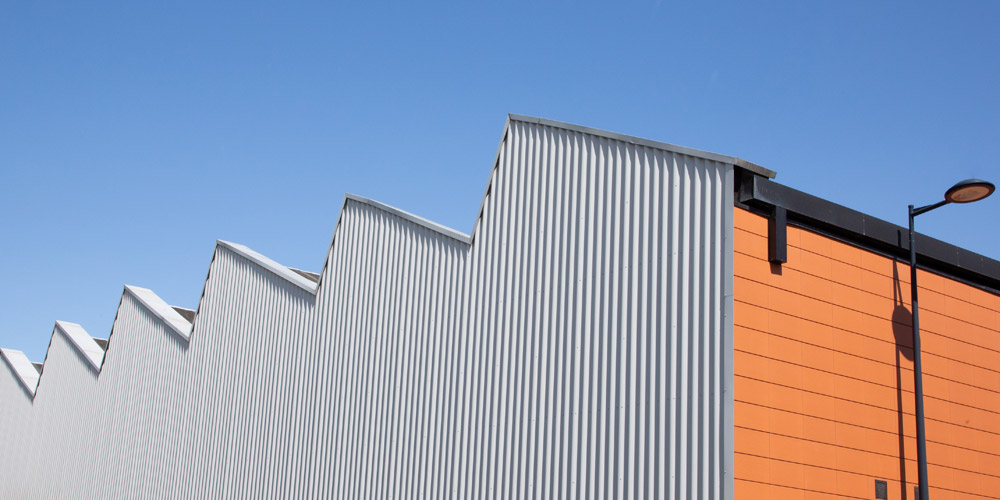
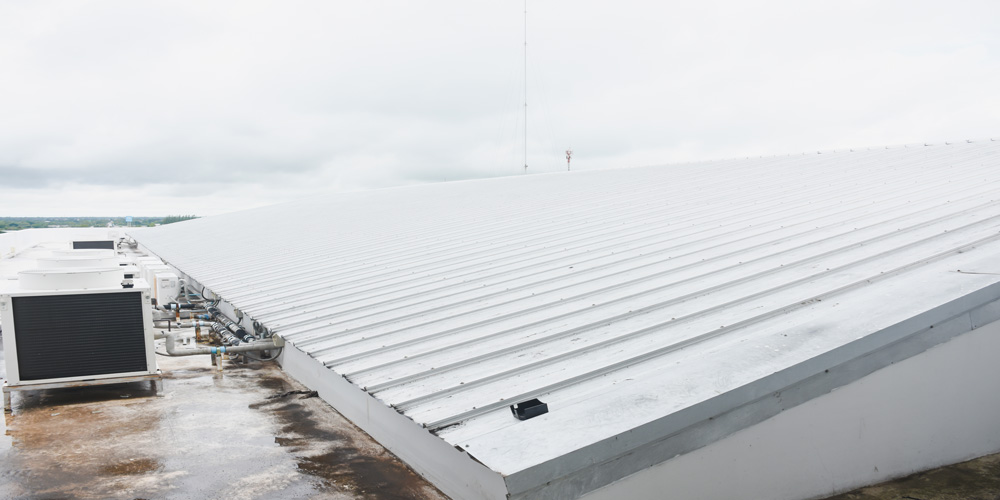
Metal roofing systems, including standing seam metal roofs and industrial roof cladding, are common on warehouses, factories and distribution centres. These systems provide excellent durability, rapid coverage of large areas and a clean, modern appearance. EPDM roofing and TPO roofing are synthetic membrane systems known for their flexibility, UV resistance and long service lives when installed by trained professionals. GRP roofing (glass reinforced plastic) is often used for complex roof areas where a seamless, fully bonded finish is required.
For businesses looking to improve sustainability credentials, green roofs for businesses can provide thermal benefits, enhanced biodiversity and improved stormwater management. Whether you need a new build specification or an upgrade to an existing structure, understanding the pros and cons of each system is key to selecting the most appropriate industrial or commercial roofing solution.
Essential Industrial and Commercial Roofing Services You Should Know
A professional roofing partner offers a comprehensive range of industrial and commercial roofing services designed to support your building throughout its entire lifecycle. Roof installation services ensure that new roofs are correctly designed and installed from day one, taking into account structural loads, insulation levels and compliance with current regulations. When an existing roof nears the end of its serviceable life, commercial re-roofing and industrial roof refurbishment provide cost-effective ways to upgrade performance without unnecessary disruption.
In many cases, roof overlays can be used to install a new waterproofing system over the existing covering, reducing waste and limiting downtime. For smaller issues, timely roof repairs and emergency roof repairs help tackle damage before it escalates into a major problem. Specialist roof leak detection allows contractors to pinpoint the exact source of water ingress, preventing repeated call-outs and ineffective patch fixes.
Where a roof is beyond economical repair, full roof replacement services may be recommended, often combined with roof upgrades to improve insulation, safety and energy efficiency. Ongoing roofing maintenance contracts give you predictable costs and the reassurance that your roof is being professionally monitored, helping you avoid unexpected failures and extending the overall lifespan of the system.
Signs Your Industrial or Commercial Roof Needs Professional Attention
Recognising early warning signs can save your business significant time and money. Obvious indicators such as roof leaks and visible water ingress inside the building should never be ignored, as they often suggest more widespread issues with the waterproofing layer. Ponding water on flat roofs is another red flag, indicating inadequate drainage or deflection in the roof structure, which can lead to premature failure if left unresolved.
A blistering roof membrane, cracked or damaged flashings and visible roof corrosion on metal systems are all signs that the roof covering is degrading. Sagging roofs or areas where the roof line no longer appears straight can point to structural problems that require urgent investigation. Damaged roof cladding, loose fixings and missing components not only compromise weather protection but can also pose serious safety risks.
Less obvious symptoms, such as excessive energy bills or increased temperature fluctuations within the building, may indicate inadequate insulation or air leakage through the roof. Roof safety risks, including loose handrails, fragile roof lights or lack of safe access routes, also need swift professional attention to protect your workforce and visitors and to meet legal obligations.
The Business Case: How Professional Roofing Services Cut Costs and Reduce Risk
Investing in expert industrial and commercial roofing services is not simply a maintenance expense; it is a strategic decision that can deliver measurable financial benefits. A well-designed and properly insulated roof helps reduce energy costs by limiting heat loss in winter and heat gain in summer. Upgrading insulation and installing reflective or energy-efficient systems can have a noticeable impact on heating and cooling bills.
By proactively maintaining your roof, you can prevent downtime caused by leaks, internal damage or safety issues. Protecting stock and equipment from water damage avoids costly replacements, production delays and potential reputational harm. Improved roof performance and robust maintenance records can also lower insurance risk, as insurers often look favourably on businesses that actively manage their building assets.
Extending roof lifespan through long-term maintenance plans and timely interventions is far more cost-effective than repeatedly reacting to emergencies. Professional contractors can advise on cost-effective roofing solutions that balance upfront investment with long-term savings, ensuring you achieve the best value over the roof’s lifecycle. Ultimately, a well-maintained roof supports asset protection, enhances the value of your property and helps you demonstrate health and safety compliance to stakeholders, auditors and regulators.
Health, Safety and Compliance in Industrial and Commercial Roofing
Health, safety and legal compliance are central to any industrial or commercial roofing project. In the UK, roofing works must comply with a range of regulations, including UK roofing regulations and the relevant sections of the building regulations, such as Part L, which covers the conservation of fuel and power. Ensuring the roof meets current thermal performance standards is essential when upgrading or replacing an existing system.
Working at height regulations require that any work on roofs is carefully planned and carried out using safe access equipment, edge protection and fall prevention or fall arrest systems. Fire safety compliance is also critical, particularly when using hot works or specifying materials in relation to building use and fire strategy. Many insurers now demand evidence of robust safety procedures and appropriate material choices as part of their insurance requirements.
Professional roofing contractors will undertake thorough risk assessments and prepare detailed method statements before work begins. These documents set out how risks will be controlled and how safe roofing practices will be maintained on site. Choosing accredited roofing contractors who take compliance seriously not only protects your staff, customers and contractors, but also helps shield your business from potential fines, claims and project delays.
Choosing the Right Industrial and Commercial Roofing Contractor
Selecting the right partner for your industrial or commercial roofing project can make the difference between a smooth, value-driven experience and years of ongoing problems. Look for industrial roofing specialists and commercial roofing contractors in the UK with a proven track record in projects similar to your own. An accredited roofing company that belongs to recognised trade bodies and schemes demonstrates a commitment to high standards.
Membership of organisations such as the NFRC (National Federation of Roofing Contractors), CHAS accreditation for health and safety, and Constructionline registration are strong indicators of a contractor’s competence and reliability. Ask about roofing warranties on both materials and workmanship, and ensure that these are backed by reputable manufacturers or insurance-backed schemes.
Client references and detailed case studies will give you insight into how the contractor performs in real-world situations, including how they handle communication, deadlines and unexpected challenges. Choosing local commercial roofers who understand regional weather patterns and local planning considerations can also be beneficial, particularly for ongoing maintenance relationships.
What to Expect from a Professional Roofing Survey and Quotation
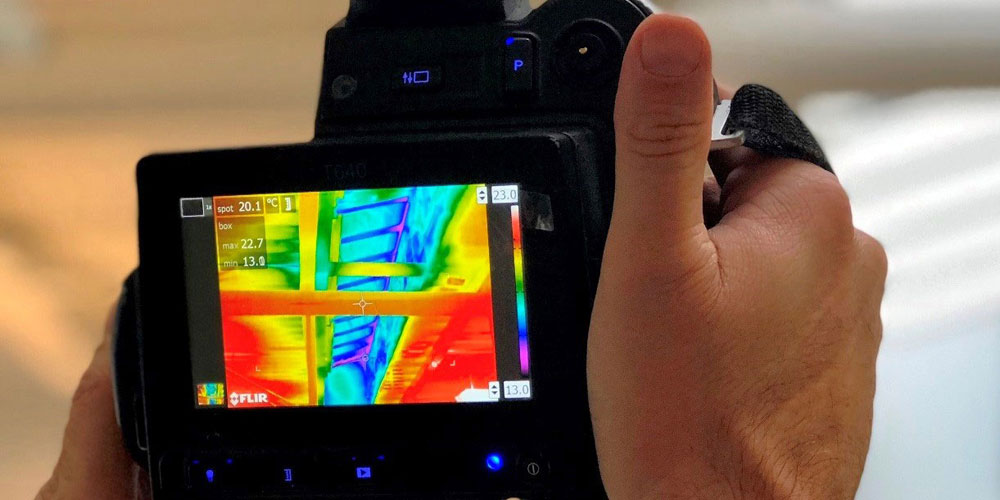
A thorough roof condition survey is the foundation of any effective industrial or commercial roofing solution. During a professional survey, trained inspectors will assess the state of the existing roof covering, insulation, drainage and structural elements. Advanced techniques such as thermal imaging can reveal hidden heat loss or moisture, while moisture testing identifies areas of trapped water within the roof build-up that may not be visible to the naked eye.
Drone roof inspections are increasingly used to safely access difficult or high-level areas, capturing detailed imagery without the need for extensive scaffolding. Following the inspection, you should receive a detailed roof report outlining existing defects, risks, and the range of remedial options available, from minor repairs to full replacement.
A reputable contractor will provide transparent quotations that clearly explain the scope of works, materials, programme and costs, avoiding vague allowances or hidden extras. Value engineering should be part of the process, identifying ways to achieve the required performance at the best possible cost. Roof lifecycle analysis and planned preventative maintenance proposals can help you understand the long-term implications of different options, supporting better-informed investment decisions.
Innovations in Industrial and Commercial Roofing: Future-Proofing Your Building
The roofing industry is evolving rapidly, offering new opportunities for businesses to improve energy performance, sustainability and comfort. Energy-efficient roofing solutions, including high-performance insulation and cool roof systems, help keep buildings at a more stable temperature and reduce reliance on mechanical heating and cooling. Solar-ready roofs and integrated solar panels allow you to turn unused roof space into a power-generating asset, cutting energy bills and supporting corporate sustainability goals.
Sustainable roofing materials, such as systems with high recycled content or long service lives, reduce environmental impact over time. Green commercial roofs can contribute to urban cooling, enhance biodiversity and improve stormwater management, while also offering potential wellbeing benefits for building users. Reflective roof coatings can rejuvenate existing roofs, improve solar reflectance and extend service life without a full replacement.
Acoustic insulation built into the roof system can significantly reduce noise from external sources or internal industrial processes, creating a more comfortable working environment. By choosing future-proof roofing solutions, you not only meet current performance standards but also position your building to cope with evolving regulations, energy prices and environmental expectations.
Case Studies: Real-World Results from Industrial and Commercial Roofing Services
Real-world projects demonstrate how professional roofing services deliver tangible benefits. A warehouse roof refurbishment case study might show how replacing ageing, leaking cladding with a modern insulated system improved weather protection, enhanced thermal performance and reduced heating costs. A factory roof upgrade could highlight the integration of rooflights, improved ventilation and safer access routes, all while maintaining production with minimal disruption.
An office building re-roof can reveal how a tired, inefficient roof was transformed into a high-performance envelope with better insulation, improved appearance and enhanced comfort for occupants. Retail park roofing projects often focus on phasing works to achieve minimal downtime for tenants, carefully coordinating activities around trading hours and peak customer periods.
Across these case studies, common themes emerge: reduced energy bills, improved weather protection, better working conditions and long-term reliability. Client testimonials reinforce the value of working with experienced industrial and commercial roofing specialists who understand how to plan projects around business needs and deliver on time and on budget.
How to Maintain Your Industrial and Commercial Roof for Maximum Lifespan
Once your roof is in good condition, a structured approach to maintenance is essential to protect your investment. Planned roof maintenance involves scheduling regular checks and minor works before issues escalate, rather than waiting for visible leaks or damage. Annual roof inspections allow professionals to monitor the condition of the covering, flashings, fixings and drainage, identifying early signs of wear and tear.
Gutter cleaning is a simple yet critical task, preventing blockages that can cause water to back up and enter the building. Proactive repairs carried out promptly help avoid further deterioration and keep the roof performing as intended. Preventative maintenance contracts give you a planned programme of inspections and remedial works, along with predictable budgeting.
Roof asset management and lifecycle costing help you take a long-term view of your roofing portfolio, prioritising spending where it will have the greatest impact and planning for future refurbishments or replacements. A clear roof care checklist, agreed with your roofing partner, ensures that both your in-house team and external contractors understand what is required to keep the roof safe, compliant and in optimal condition.
Securing Your Business with Professional Industrial and Commercial Roofing Services
Your roof is one of the most important lines of defence your business has against the elements, yet it is often overlooked until something goes wrong. By choosing to protect your business assets through professional industrial and commercial roofing services, you put yourself in control rather than leaving things to chance. Investing in quality roofing and long-term roofing solutions reduces risk, improves energy performance and supports the smooth running of your operations.
Partnering with a trusted industrial roofing specialist gives you access to expert advice, tailored specifications and reliable ongoing support. From an initial commercial roofing consultation and detailed roofing survey through to planned maintenance and future upgrades, you gain a clear strategy for managing your roof over its full lifecycle.
If you want to strengthen the resilience of your building, safeguard your stock and staff and improve your bottom line, now is the time to act. Request a roofing survey, book a roof inspection and explore how upgrading your commercial roof can deliver lasting value for your business.