
A New Block Paving Driveway for Your Property
Your driveway is one of the first things people notice when they approach your home, yet it is often overlooked until it starts to crack, sink or look tired and patchy. Block paving changes that. A well‑designed, properly installed block paved driveway doesn’t just give you somewhere to park the car – it creates kerb appeal, frames the front of your property and can have a surprisingly strong impact on how potential buyers judge your home before they even step through the front door.
If you are thinking about upgrading your driveway, block paving should be at the top of your list. It offers a winning combination of looks, longevity and practicality. Whether you want a smart, understated design or a standout entrance that adds character, block paving can be tailored to suit almost any style of property and budget, while quietly adding value and making day‑to‑day life easier.
What Is Block Paving and Why Is It Ideal for Your Driveway?
Block paving is a surfacing method where individual blocks or bricks are laid in a pattern over a prepared base to create a strong, interlocking surface. These driveway blocks are usually made from concrete or clay and come in a range of shapes, sizes and colours. Unlike a single sheet of tarmac or poured concrete, a block paved driveway is built from hundreds or even thousands of individual units, which work together to form a stable, hard‑wearing surface.
Compared with other driveway surfacing options such as gravel, poured concrete or tarmac, block paving stands out for its combination of aesthetics and performance. Tarmac can be quick to install and relatively cheap, but it offers limited design choice and can soften in extreme heat or become brittle over time. Gravel is inexpensive and permeable, but it can scatter, move under tyres, and requires regular topping up and raking. Concrete can be robust but prone to cracking, and repairs are often obvious and unattractive.
Concrete block paving, on the other hand, allows you to choose from a wide range of colours, finishes, and patterns, so you can create a driveway that perfectly complements your house and surroundings. Because the individual driveway pavers lock together, they spread the load more evenly and handle vehicle traffic well. And if a section becomes damaged or stained, the affected blocks can usually be lifted and replaced without disturbing the rest of the driveway – a major advantage over solid surfacing.
The Benefits of Block Paving for Your Driveway
The benefits of block paving go well beyond simple good looks. Properly installed, it provides a durable driveway surface that can withstand the weight of cars, vans and even heavier vehicles for many years with minimal fuss. Thanks to the interlocking nature of the blocks and an adequate sub‑base, a block paved driveway is designed to cope with regular use without rutting or breaking up.
Maintenance is straightforward, which makes block paving a genuinely low‑maintenance driveway option. Routine sweeping, occasional pressure washing and periodic re‑sand of the joints are usually enough to keep it looking sharp. The blocks themselves are typically made from weather‑resistant, fade‑resistant materials, so they cope well with the British climate – from summer sun to persistent rain, frost and snow. Good‑quality blocks retain their colour and resist surface wear, meaning your driveway keeps its smart appearance for longer.
Another major plus is how easy it is to repair. If you spill oil, experience localised sinking or damage a section, you can remove and replace individual blocks or small areas without redoing the whole driveway. This “easy repair paving” feature not only saves money in the long term but also helps your driveway remain neat rather than ending up with unsightly patches and mismatched repairs.
Design Options: How Block Paving Can Transform Your Driveway’s Look
One of the strongest reasons to choose block paving is the sheer range of design options. You are not limited to a plain, single‑colour surface. Instead, you can choose from various block paving patterns to create a driveway that really enhances your home. Popular designs include the classic herringbone pattern driveway, which is not only attractive but also offers excellent strength under vehicle loads due to its interlocking layout.
You might also consider a basketweave paving pattern for a more traditional, cottage‑style appearance, or a simple stretcher bond pattern if you prefer clean, modern lines. Driveway block paving designs can be customised with different driveway colour options, from subtle charcoal greys and warm buff tones to bold reds and mixed blends that add movement and character.
To give your driveway a more bespoke, finished feel, you can incorporate contrasting borders, decorative insets and distinctive driveway edging. A darker edge around a lighter main field, for example, instantly adds definition and frames the space. Decorative circles, feature panels or even house numbers in a different colour can turn a plain drive into a focal point. Whether your taste leans towards a traditional, period‑style driveway or a sleek, contemporary look, block paving gives you the flexibility to match your driveway to your house and overall landscaping design.
Planning Permission, Drainage and Regulations for Block Paving and Your Driveway (UK‑Specific)
In the UK, you cannot ignore drainage and regulations when planning a new driveway. To tackle flooding and surface water issues, government rules require front garden paving over a certain size to be designed with drainage in mind. This is where SUDS‑compliant driveways (Sustainable Drainage Systems) come in.
Permeable block paving allows rainwater to soak through the surface and into the ground below, reducing surface water runoff and easing pressure on public drainage systems. Using permeable pavers or designing your driveway layout so water drains into a soakaway or planted area can help you meet UK driveway drainage regulations.
In many cases, if your new driveway is over 5 square metres and you are using traditional, non‑permeable surfacing that discharges water onto the road or drains, you may need planning permission. By choosing a permeable block paving system or managing surface water on your own land, you often avoid the need for planning consent. Check the latest front garden paving rules and relevant UK building regulations for driveways before you start, so you stay compliant and avoid costly changes later.
Choosing the Right Block Pavers for Your Driveway
Not all block paving is the same, and selecting the right blocks for your driveway is crucial. Several types of block paving are available, with concrete and clay blocks the most common. Concrete blocks are widely used, versatile and available in a range of shapes, textures and colours. Clay blocks tend to hold their colour very well and offer a more natural, rich tone, often favoured in traditional settings.
You will also need to think about whether permeable pavers are appropriate, particularly if you want a SUDS‑compliant, environmentally friendly driveway that helps manage rainwater on site. Beyond permeability, key practical considerations include driveway thickness, slip‑resistant surfaces for safety in wet and icy weather, and choosing heavy‑duty driveway paving that meets your load‑bearing requirements.
If you park larger vehicles, vans, or motorhomes, look for blocks and a sub‑base specification designed for heavier loads. Frost‑resistant pavers are also vital in the UK climate to reduce the risk of damage caused by freeze‑thaw cycles. By weighing up concrete blocks vs clay blocks, checking product specifications, and speaking with a reputable supplier or installer, you can identify the best driveway blocks that meet both your aesthetic preferences and performance needs.
Preparing the Ground: The Key to a Long‑Lasting Block Paved Driveway
A beautiful driveway will not stay that way for long if the groundwork is poor. Proper driveway ground preparation is the single most important factor in achieving a stable, long‑lasting block paved surface. This starts with excavating to the correct driveway base depth, usually to remove soft topsoil and reach a firm sub‑grade.
Next comes the sub‑base installation, typically using MOT Type 1 hardcore. This material is laid in layers and thoroughly compacted to create a strong, stable foundation that resists movement and helps prevent subsidence. Skimping at this stage often leads to sinking block paving, uneven surfaces and puddling later on.
Some designs include a weed control membrane to reduce vegetation growth, followed by a laying course of sharp sand, carefully levelled and screeded to the correct driveway levels. Getting the falls and levels right ensures water drains away effectively rather than pooling on the surface. Attention to these details – correct compaction, appropriate base thickness and accurate levels – is what stops block paving from sinking or shifting, ensuring your driveway looks good and performs well for many years.
The Block Paving Installation Process: Step‑by‑Step Overview
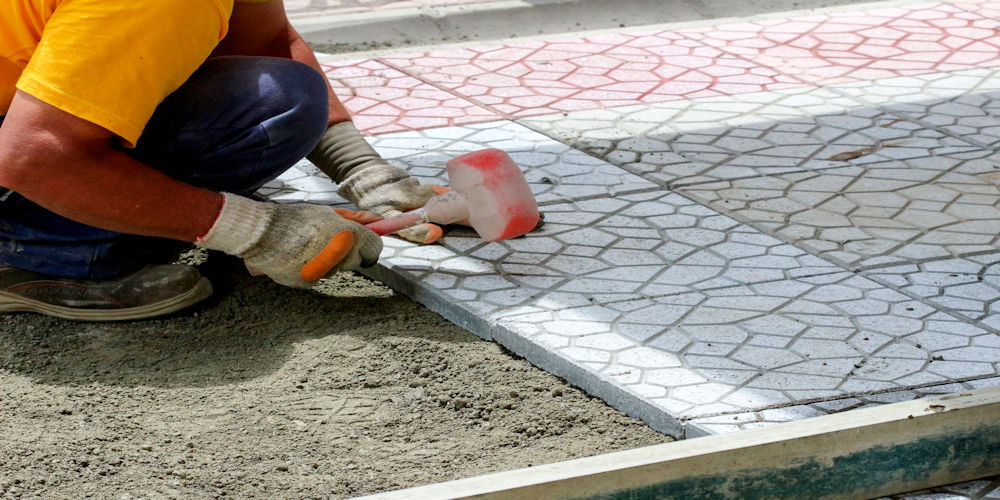
Once the groundwork is complete, the visible part of the block paving installation process can begin. This typically follows a set of tried‑and‑tested steps. First, the screeding sand is levelled to provide an even, consistent bedding layer. The blocks are then laid in the chosen pattern, starting from a straight edge or corner and working carefully across the driveway to maintain alignment and joint spacing.
Blocks near edges, drains, or obstacles are cut to fit using appropriate cutting tools to ensure a tight, professional finish. When all blocks are in place, the surface is compacted using a vibrating plate compactor to help the blocks bed into the sand and lock together. Kiln‑dried sand is then brushed into the joints between blocks and compacted again, further stabilising the surface and reducing movement.
Finally, sealing block paving may be recommended once the driveway has settled and is completely dry. A suitable sealer can help protect the surface from staining, enhance colour and make future maintenance easier. While some confident homeowners tackle laying a block paving driveway as a DIY project, many prefer a professional block paving installer to ensure every stage is completed correctly and to maximise the lifespan of their investment.
Cost of Block Paving and Your Driveway: What to Budget For in the UK
Understanding the cost of a block paving driveway in the UK helps you plan realistically and avoid surprises. Prices are usually calculated per square metre of paving, but several factors influence the cost. The type and quality of blocks you choose, the complexity of the design, site access, and how much groundwork is needed all affect your final driveway quote.
Labour vs materials costs can vary by installer and region, but remember that cheap block paving installed on a poorly prepared base can cost more in the long run due to repairs and premature replacement. Budget driveway ideas might include simpler patterns, standard‑sized blocks and fewer decorative features, while premium block paving ranges, intricate designs and bespoke detailing will push the price up.
It is also useful to compare the cost of tarmac vs block paving. Tarmac may be cheaper initially, but block paving often delivers greater kerb appeal and can add more perceived value to your property. When you factor in long‑term durability, ease of repair, and visual impact, investing a little more in a quality block paved driveway often proves to be money well spent.
DIY vs Professional Installation: Which Is Right for Your Driveway?
Deciding between a DIY block paved driveway and hiring a driveway contractor depends on your skills, time and appetite for physical work. Laying block paving is labour‑intensive and technically demanding, particularly when it comes to levels, drainage and sub‑base construction. While doing it yourself might appear cheaper, mistakes to avoid – such as insufficient base depth, poor compaction or incorrect falls – can lead to sinking, puddling and costly remedial work.
A professional block paving company brings experience, specialist tools and an understanding of best practice. They can advise on design, materials and drainage, and many offer an artistry guarantee for peace of mind. When choosing a driveway installer, look for TrustMark‑registered tradespeople, Checkatrade driveway reviews and membership of recognised trade bodies. This helps you avoid cowboy builders and feel more confident in the quality of the work.
Ultimately, the pros and cons of a DIY driveway versus professional installation come down to budget, quality expectations and how long you want the driveway to last. For most homeowners, especially where regulations and drainage are involved, using a reputable professional will deliver a better, more durable result and protect the value of your investment.
Maintenance Tips to Keep Your Block Paving Driveway Looking New
Although block paving is relatively low‑maintenance, a little regular care will keep it looking fresh and extend its lifespan. Basic block paving maintenance includes sweeping away debris and leaves to prevent staining and weed growth. Periodic cleaning with a suitable detergent and, if needed, gentle pressure washing helps remove surface dirt and algae.
When pressure washing a driveway, don’t blast out the jointing sand. After cleaning and once dry, you may need to re‑sand joints with kiln‑dried sand to maintain block stability. Over time, re‑sealing block paving can help protect against oil stains, colour fading and general wear, especially on driveways with heavy use.
Weed control is also important. While weeds generally grow from seeds blown into the joints rather than from below, removing weeds from paving promptly and, if required, applying an appropriate weed killer will keep the surface tidy. Addressing oil stains, algae and moss removal early prevents long‑term discolouration, and a little winter driveway care – such as using suitable de‑icing products and avoiding metal‑edged shovels – will help preserve the surface during colder months. Consistent, sensible upkeep ensures your driveway continues to enhance your home rather than detract from it.
Common Problems with Block Paving and How to Fix Them
Even well‑installed block paving can develop issues over time, especially if the original groundwork was not ideal or if heavy use and weather take their toll. Common problems include sinking block paving, an uneven driveway surface and puddling on the driveway where water fails to drain away. These issues often point to sub‑base compaction or drainage problems and can usually be addressed by lifting the affected area, correcting the base and relaying the blocks.
Loose blocks and driveway weeds can also occur, especially if jointing sand has been lost through over‑zealous cleaning or weathering. Re-sanding the joints and tackling weeds promptly can restore the surface’s integrity and appearance. Discoloured paving and efflorescence on blocks – a white, chalky deposit – are usually cosmetic issues. Efflorescence often fades naturally over time, while stains can be treated with appropriate cleaners.
The good news is that repairing block paving is generally far easier and more cost‑effective than fixing solid surfaces. You can relay sunken blocks, improve driveway drainage, or replace damaged sections without ripping out the entire driveway. This repairability is a key reason many homeowners favour block paving over other materials.
Boosting Kerb Appeal and Property Value with Block Paving and Your Driveway
A well‑designed, well‑kept block paved driveway can dramatically lift your home’s kerb appeal. It frames the entrance, creates a sense of order and quality, and often becomes a central part of the overall landscaping and driveway design. Estate agents often note that a smart, attractive front driveway shapes first impressions and can attract more interest when selling your home.
An attractive front driveway that matches the style, age and colour palette of your house feels cohesive and considered. Stylish driveway ideas, such as adding planting beds, lighting, or coordinated pathways, can help your home feel welcoming and high‑end. In many cases, a good driveway can subtly increase house value or, at the very least, make your property more appealing than similar homes with cracked, uneven, or untidy parking areas.
By investing in block paving, you are not just upgrading a functional space – you are enhancing the character and perceived quality of your entire property. This makes it a smart choice if you’re planning to sell in the future or want to take pride in how your home looks from the street.
Eco‑Friendly Choices: Permeable Block Paving and Sustainable Driveways
For homeowners who care about the environment, block paving can also be part of an eco‑friendly driveway solution. Permeable driveway blocks are designed to allow rainwater to pass through the surface into specially prepared layers beneath, which store or slowly release the water back into the soil. This sustainable drainage system helps reduce flood risk and lessens pressure on public sewers.
You can also consider using recycled materials in the paving or sub‑base, integrating planted areas, or designing a green driveway with permeable sections and soft landscaping. Environmentally friendly surfacing and thoughtful rainwater management don’t mean compromising on appearance; modern, drainage‑friendly driveway designs can look smart and contemporary while still serving a vital environmental function.
By choosing permeable block paving and sustainable drainage driveway designs, you improve water management in your area and help meet current and future regulations, all while enjoying a robust, attractive driveway.
How to Choose the Right Contractor for Block Paving and Your Driveway
Selecting the right driveway installer is essential to achieving a high‑quality result that stands the test of time. Begin by looking for a block paving specialist in your local area with strong references and reviews. Reputable local paving contractors should be happy to show you previous work and provide details of satisfied customers.
Always get multiple quotes so you can compare not just prices but also specifications, timescales and what is included. Make sure you receive written contracts for driveway work, clearly outline materials, base depths, patterns, drainage arrangements, payment terms, and any guarantees or insurance‑backed warranties. This protects both you and the contractor.
Avoiding cowboy builders is critical. Check for driveway installer accreditation, such as TrustMark, membership of trade associations, and independent Checkatrade driveway reviews or similar platforms. A legitimate contractor will be fully insured and prepared to answer detailed questions about their methods. Taking the time to choose the right installer will pay off with a driveway that looks superb, complies with regulations, and performs reliably for years.
Why Block Paving and Your Driveway Are a Smart Investment – and How to Get Started
Block paving and your driveway may seem like a purely practical consideration, but in reality they influence how you use your home, how others see it and, ultimately, what it is worth. A well‑planned, well‑installed block paved driveway offers improved kerb appeal, dependable performance and long‑term value that few other driveway options can match.
If you are ready to invest in block paving, start by assessing your needs: how many vehicles you need to accommodate, whether you require permeable paving, and what style best suits your property. Next, speak to a driveway specialist, request detailed block paving quotes, and review design options, from patterns and colours to edging and lighting.
With the right planning and a reputable installer, you can upgrade your driveway, transform the front of your house and enjoy a smart, practical surface for years to come. Now is an ideal time to plan your new driveway project, take control of your property’s first impressions and make a considered investment in both everyday convenience and long‑term value.